
Can a Cop See if You Have a Medical Marijuana Card?
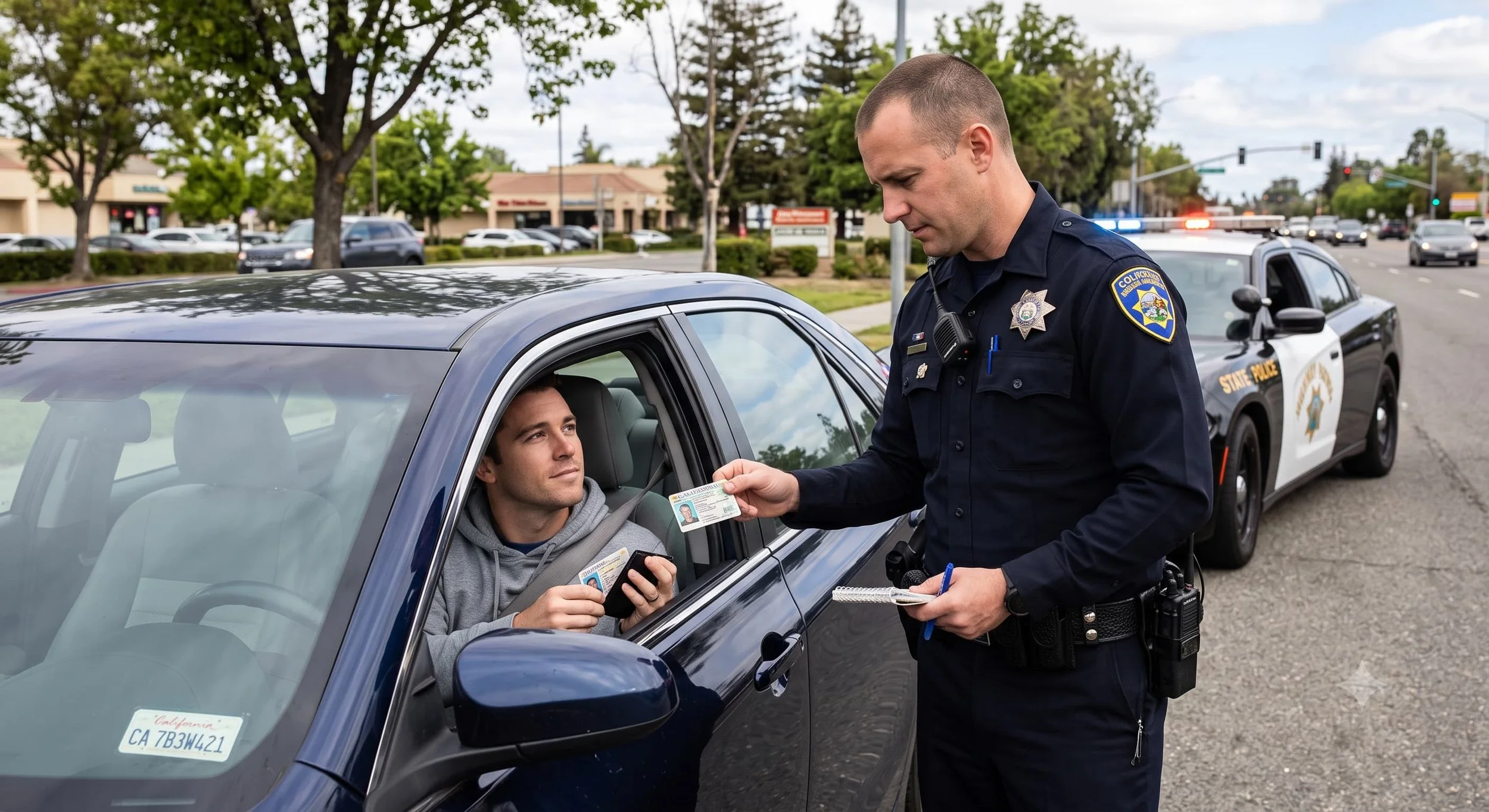
Many patients worry whether police can see if they have a medical marijuana card during a traffic stop or routine check. The short answer is no. A cop cannot directly access medical marijuana registries or view your MMJ status through a driver’s license lookup, DMV system or standard police database. Your medical information is protected under strict privacy laws, including HIPAA, and officers cannot see your medical marijuana card unless there is a legal reason.
The only exceptions happen in rare situations like a court order, warrant or active criminal investigation. State laws also differ, so privacy protections may be stronger or weaker depending on where you live. In most cases, your MMJ card remains confidential and private.
How Police Access Medical Information (and What They Can’t See)
Many patients worry about how much information police can see during a traffic stop, especially when it comes to medical cannabis. The good news is that MMJ privacy laws prevent your medical cannabis status from appearing in any routine police database. When an officer runs your driver’s license or vehicle registration, your MMJ card information does not show up. Your certification is not tied to DMV systems, state ID systems, or law enforcement databases.
People often ask, “can police see medical records?” The answer is no, officers cannot view your health information, cannabis recommendations, or purchase history simply by scanning your ID. Another common concern is the exact question: can cops access marijuana registry data? They cannot, unless state law explicitly authorizes it in a specific investigation. The registry is protected, separate from law enforcement systems, and not searchable during ordinary traffic stops.
Some patients also wonder how insurance companies fit into the picture. For clarity, here’s a helpful resource that explains this further:does insurance see or track my medical marijuana card.
Overall, your medical marijuana patient status remains private unless you choose to disclose it or unless law enforcement obtains lawful authorization to access protected information.
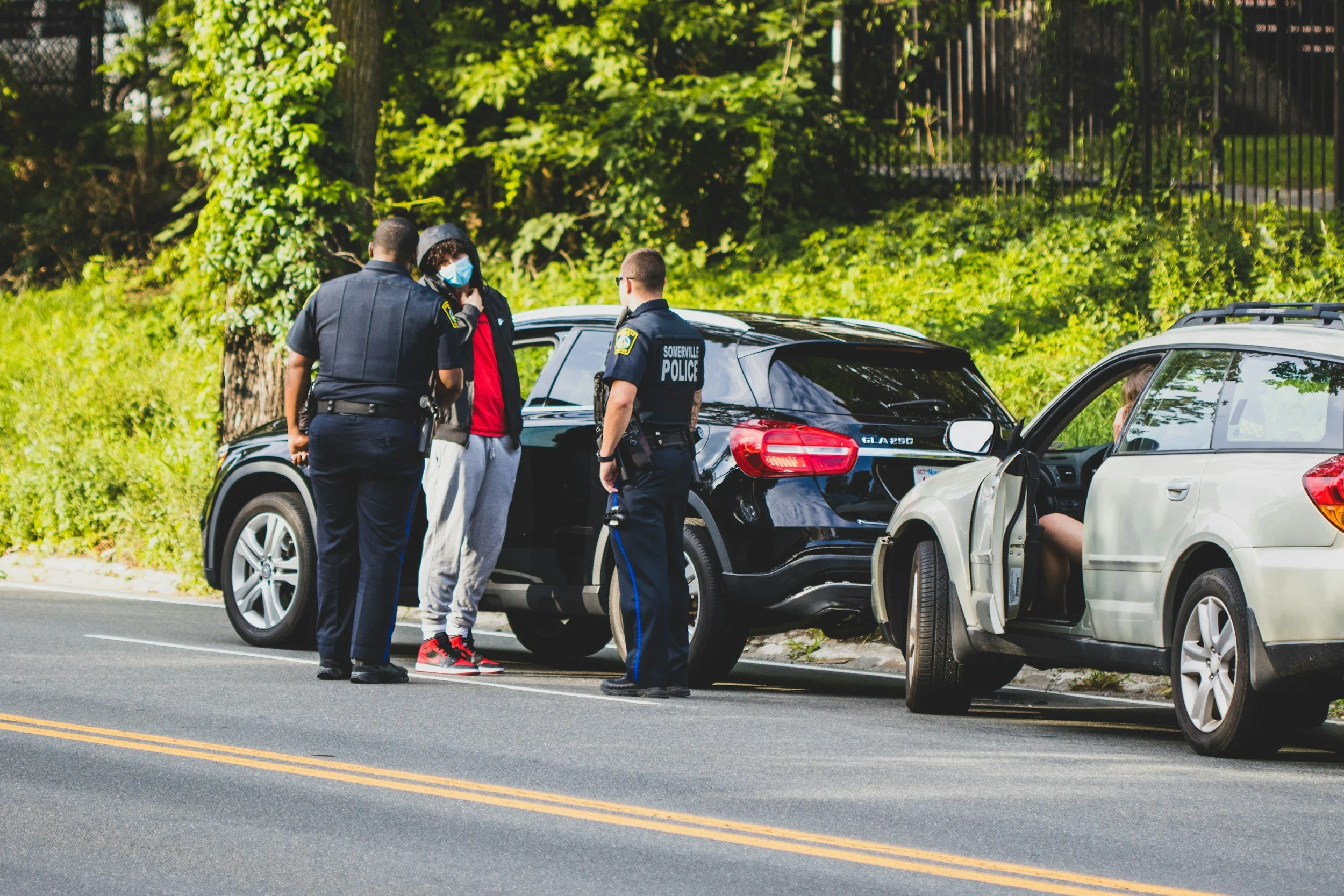
Police Databases vs Medical Records
A common misconception is that when officers run your license, they can somehow see your medical cannabis status. In reality, the police computer system marijuana information does not include anything related to your MMJ card. DMV and driver’s license databases are designed to show driving history, endorsements, suspensions, and vehicle information, not medical data.
So if you’re wondering, do cops see medical info when they scan your ID? The answer is no. Your medical marijuana certification is stored in a completely separate system that law enforcement cannot access during a routine stop. Officers cannot view your medical chart, treatment history, or cannabis recommendation unless they have a legally justified reason supported by a warrant or court order.
This separation exists because of strict medical marijuana privacy laws that protect patient information from being shared with law enforcement or any other agency without proper authorization. These laws ensure that being a medical cannabis patient does not put you at risk of unwanted exposure simply because you were pulled over or had your ID checked.

HIPAA and MMJ Patient Confidentiality
Your medical cannabis status is protected by strict federal and state privacy regulations.These protections also include HIPAA marijuana rules, which prevent anyone (including law enforcement) from accessing your medical cannabis status. Under HIPAA MMJ guidelines, your medical marijuana certification, doctor’s recommendation, and treatment details are considered confidential health information. This means your healthcare provider cannot disclose that you use medical cannabis without your permission.
Dispensaries are also bound by medical marijuana privacy rules, which prohibit them from sharing your patient profile, purchase history, or any identifying information with law enforcement or outside agencies. They cannot confirm whether you are a registered patient unless you explicitly authorize it.
Even if an officer suspects cannabis use, police still need a valid legal reason, such as a court order or warrant, to request access to protected medical records. Your information is not openly available, and simply being pulled over does not give law enforcement automatic access to your patient status.
Patients often ask whether insurance companies can view their cannabis certification. For clarification, this guide provides helpful insight: does insurance see or track my medical marijuana card.
Overall, HIPAA ensures your medical marijuana status stays private and protected unless you decide to share it.
Can Police Access State Medical Marijuana Registries?
State laws differ widely when it comes to how much access law enforcement has to medical cannabis records, but across the country, patient privacy remains strongly protected. Many people wonder, can police access marijuana registry information during a traffic stop or routine check. In nearly all states, the answer is no, officers cannot freely browse patient registries or pull up your MMJ status without proper legal justification.
Medical cannabis registries are intentionally designed to limit MMJ registry access to authorized medical professionals and specific state agencies involved in program administration. These systems are not connected to police databases, nor are they searchable through standard law enforcement tools.
In rare situations where officers need to confirm patient information, they must obtain a warrant, court order, or meet strict criteria established by state law. Even then, the process is controlled and monitored to ensure compliance with privacy regulations.
Some people imagine a system called police MMJ lookup, but no such tool exists for officers. Registry data is siloed, protected, and unavailable to officers unless a legitimate, legally sanctioned reason is presented.
Questions about medical marijuana privacy often extend beyond local laws. Many patients also research travel laws and police questions when crossing state lines with a medical marijuana card when trying to understand how medical cannabis rules may change outside their home state.
States That Prohibit Police Access Without Legal Justification
Many states have strong protections in place to ensure MMJ registry privacy, preventing law enforcement from viewing patient data unless they have a legally valid reason. These states explicitly separate medical cannabis registries from police databases, reinforcing that medical marijuana use is a private health matter, not something officers can search on a whim.
Virginia: Virginia maintains robust state marijuana laws. Under MMJ laws Virginia, police cannot access the state’s medical cannabis registry during a routine stop. Officers need a warrant or court order to request any patient information.
Maryland: Similarly, MMJ laws Maryland protect patient confidentiality by restricting law enforcement access. The registry is reserved for medical providers and state program administrators only.
Minnesota: With strong privacy protections, MMJ laws Minnesota prevent police from viewing patient details unless there is an active investigation supported by legal authorization.
Michigan: Michigan has long upheld strict patient confidentiality rules. State marijuana laws make it clear that MMJ registration data is not available to law enforcement without proper legal grounds.
Missouri: Missouri maintains robustlaws that block casual police access to the MMJ registry, requiring officers to demonstrate legitimate need.
Oklahoma: Oklahoma’s medical program also restricts registry access, keeping patient information siloed from law enforcement unless specific legal criteria are met.
Across all these states, and several others with similar protections, the guiding principle is clear: medical cannabis is healthcare, and patient records must remain private unless a legally justified reason requires otherwise.
States With Limited or Conditional Access
Some states allow law enforcement to view medical marijuana registry information, but only under very strict conditions. These states maintain MMJ registry limited access rules, meaning police cannot casually search patient data. Instead, access is granted only when specific legal requirements are met.
In many of these states, police must present a warrant, obtain a court order, or be involved in an active investigation directly related to a potential crime. In some cases, access may also be permitted if an authorized medical official requests verification for treatment or compliance purposes. Even then, the process is controlled, logged, and subject to oversight to protect patient privacy.
For example, the Florida MMJ registry police access rules allow certain law enforcement personnel to confirm patient status, but only when legally necessary and never during a routine traffic stop. Officers cannot freely browse patient details, check purchase history, or investigate medical records without proper authorization.
Overall, states in this category strike a balance between patient confidentiality and law enforcement needs. Registry access is possible, but only under conditions that demonstrate a legitimate, legally sanctioned purpose.
Can a Cop in Another State See Your Medical Marijuana Card?
One of the most common questions patients have is can police in another state see MMJ card information if they are pulled over while traveling. The answer is no. Medical marijuana registries are state-specific systems, and they are not connected or shared between states. Each state maintains its own independent database, and none of them sync with criminal justice networks or out-of-state law enforcement tools.
This separation means a police officer in another state cannot look up your medical cannabis status, check your patient registration, or view your purchase history. Even states with medical cannabis reciprocity do not transmit registry data across borders. Instead, under out of state medical marijuana laws, patients must show their physical MMJ card and matching ID if they wish to purchase at a reciprocal dispensary, but their protected medical information remains confidential.
However, traveling with a medical marijuana card to other states does not automatically make possession legal everywhere. Some states honor out-of-state cards, others strictly prohibit cannabis, and many have different possession, storage, and transport rules.
In short, your MMJ status stays private across state lines, but you must always follow the laws of the state you’re in.
Reciprocity vs Registry Access
Many patients assume that medical marijuana reciprocity means states share medical cannabis data, but that is not the case. Reciprocity simply allows a patient from one state to purchase or possess medical cannabis in another state that recognizes out-of-state cards. It has nothing to do with registry connections, data sharing, or law enforcement access.
Under most MMJ travel laws, a reciprocal state may honor your medical marijuana card for purchasing or possession purposes, but it cannot access your home state’s patient registry. The database itself remains private, siloed, and unavailable to outside law enforcement agencies. Even when you are traveling with a medical marijuana card to other states, your medical information stays protected.
The key difference between the two concepts lies in how information and rights are handled. Reciprocity refers to the ability to legally buy or possess medical marijuana in another state if that state chooses to honor out-of-state medical cannabis cards. It is strictly about patient access and purchase rights, not about sharing personal information. Registry access, on the other hand, involves the exchange of patient data between states, and this does not occur. State medical marijuana registries are independent systems, and they do not connect or share data with each other or with out-of-state law enforcement.
So while reciprocity makes it easier for patients to access their medicine while traveling, it does not give other states the ability to look up your MMJ status or medical records.
What Happens If You’re Pulled Over With Medical Cannabis
Being pulled over with medical marijuana can feel stressful, even when you’re completely legal. Different states have different possession rules, packaging requirements, and transport laws, so a patient’s experience during a traffic stop can vary depending on where they are. Still, the general principles remain the same: stay calm, follow instructions, and know your rights as a medical cannabis patient.
During a traffic stop MMJ situation, officers may ask questions if they see cannabis products or smell marijuana in the vehicle. In most states, showing your medical marijuana card and a valid ID can help clarify that you’re a registered patient and allowed to possess cannabis. Proper storage, such as keeping items sealed, labeled, and out of reach, goes a long way toward preventing misunderstandings.
Even when laws are patient-friendly, a weed traffic stop can still lead to questions about impairment. Medical cannabis is legal, but driving under the influence is not. Never admit to being “high” or impaired, and avoid offering unnecessary information. As long as you’re within possession limits, not impaired, and transporting your products correctly, your medical marijuana card should help protect you during the encounter.
When Showing Your Medical Marijuana Card Helps
There are moments during a traffic stop when choosing to show MMJ card police can work in your favor. If an officer notices cannabis products or asks about them, presenting your medical marijuana card and valid ID can immediately signal that you are a registered patient and legally allowed to possess your medicine. This is especially helpful when everything is stored and transported according to state law.
For example, if you’re carrying sealed products in their original, labeled packaging, your card helps prove legal possession weed and shows that you’re following proper procedures. Likewise, when you have legal amounts of cannabis, whether flower, concentrates, or topicals, your card can quickly clarify that you’re within your state’s medical limits.
Your card is also beneficial when transporting edibles and vapes stored properly, such as keeping them sealed, secured in the trunk, or placed in a designated storage area. In these situations, showing your MMJ card demonstrates compliance and can prevent unnecessary escalation or confusion.
When You Should NOT Show Your Card Immediately
There are also situations where patients wonder, “should I show MMJ card to police right away?,” and the answer is often no. If you are not carrying cannabis, there is usually no need to show weed card information during a traffic stop. Volunteering your medical status when it’s not relevant can create unnecessary questions or confusion.
You also should not present your card when officers ask unrelated medical questions or attempt to shift the conversation toward your health history. Your MMJ card is protected medical information, and you are not required to share it unless it directly helps establish legal possession.
Another important scenario is when there is suspicion of impairment. If an officer asks whether you’ve recently used cannabis, showing your card immediately may unintentionally imply recent consumption, even if you are not impaired. Since driving under the influence is illegal for all patients, it’s better to remain calm, provide only basic required information, and avoid offering your MMJ card unless it directly supports your legal position.
Your card should help you, not create complications. Showing it is most useful when it proves lawful possession,not when it raises unrelated concerns.
Can Police Search Your Vehicle if They Smell Weed?
Whether the smell of cannabis gives officers the right to search your vehicle depends heavily on state laws. In some places, weed smell probable cause still applies, meaning the odor alone can justify a search. Different states have different smell of weed search laws, so it's important to know your rights. Understanding can cops search car for weed smell rules in your state is essential for protecting your rights during a traffic stop.
States Where Smell Alone Is NOT Probable Cause
Several states have ruled that the odor of cannabis, by itself, is no longer enough to justify a vehicle search. These states recognize that the mere presence of smell does not automatically indicate criminal activity, especially where medical or adult-use cannabis is legal.
Virginia: The Virginia weed smell law explicitly states that the odor of marijuana cannot be used as the sole basis for a search.
Maryland: Recent legal reforms under the Maryland weed smell law have limited police authority to search based solely on the scent of cannabis.
Minnesota: Under Minnesota weed smell law, officers cannot conduct a search based only on the smell of marijuana.
Michigan: Courts have ruled that smell alone does not automatically provide probable cause post-legalization.
Massachusetts, Vermont, and others have adopted similar rulings restricting smell-based searches.
Collectively, these states aim to protect lawful cannabis patients and consumers from unnecessary law enforcement intrusion.
States Where Smell Can Still Justify a Search
However, not all states have moved away from odor-based searches. In many places, particularly where cannabis remains illegal or highly restricted, the smell of marijuana still provides officers with legal grounds to investigate further.
Florida: Under Florida weed smell laws, the scent of cannabis can still be used as probable cause for a vehicle search, despite the presence of a medical program.
Texas: Under Texas cannabis smell law, officers may rely on odor to justify a search since cannabis remains broadly illegal.
Kansas: With no medical or recreational legalization, smell alone can still trigger a full search.
Georgia: Law enforcement may continue to treat cannabis odor as evidence of criminal activity.
In these states, smell-based searches remain standard practice, and drivers should be especially cautious when transporting cannabis, even if they are registered medical patients elsewhere.
What Police Can Actually See During a Traffic Stop
Many patients worry about what shows up for police traffic stop lookups, especially if they use medical cannabis. The truth is that police have limited access to personal information during a routine stop, and none of it includes your medical cannabis status. When an officer pulls you over, their police lookup information typically shows only the essentials needed to confirm identity and vehicle legitimacy. This includes your driver’s license details, vehicle registration status, proof of insurance, and any active warrants or flags associated with your record.
What officers cannot see is your participation in a state medical cannabis program. Your medical marijuana card information is not connected to DMV data or law enforcement databases, even in states with mature MMJ systems. This is especially important for patients exploring the pros and cons of having a medical marijuana card in Virginia, where patient privacy is strictly protected and your medical cannabis status remains confidential unless you choose to disclose it.
During any traffic stop, law enforcement is only able to view information relevant to roadway safety and criminal background, not your medical history or cannabis certification.
Legal Risks Even With a Medical Marijuana Card
Having an MMJ card grants important protections, but it does not eliminate every legal risk. Patients should understand the legal risks MMJ programs don’t shield them from, especially when it comes to driving, possession limits, and federal law. Even in states with strong protections,such as the legal risks of having a medical marijuana card in Virginia, you can still face charges if certain rules are violated.
One of the biggest concerns is impaired driving. MMJ DUI laws apply to medical patients the same way they do to recreational users. That means DUI is still illegal, even if the cannabis you consumed was recommended by a doctor. Many people ask, “Can you get a DUI with a medical marijuana card?” Yes, you can. A card does not excuse impaired driving, and admitting recent use can complicate a traffic stop.
Patients must also follow possession limits. Exceeding legal amounts can lead to charges despite having a medical card. Possession limit violations remain enforceable, and officers can confiscate products if they believe limits have been exceeded.
Additionally, transporting cannabis in unsealed containers can cause legal issues. Open or easily accessible cannabis, whether flower, edibles, or vape cartridges, may be treated similarly to an open alcohol container violation in some states.
Finally, federal restrictions still apply. Cannabis is federally illegal, meaning your card offers no protection on federal property such as national parks, military bases, federal buildings, or airports. Even small amounts can result in federal penalties.
Key Tips to Stay Protected During Police Encounters
Understanding how to navigate a traffic stop as a medical cannabis patient can make a major difference in your safety and legal protection. These MMJ traffic stop tips are designed to help you stay compliant, confident, and prepared. Whether you're carrying your medicine, driving across town, or traveling to another state, following essential medical marijuana safety tips is one of the best ways to avoid misunderstandings. Ultimately, knowing how to use marijuana responsibly and avoid legal trouble starts with staying informed and making smart decisions during any law enforcement encounter.
Keep products sealed and labeled
Always keep cannabis in its original packaging with labels intact. This helps show that your products are legally purchased and properly stored. If an officer sees sealed, labeled items, it reinforces that you are a patient following state guidelines.
Store cannabis out of reach (trunk)
Keeping cannabis locked away or placed in the trunk is one of the strongest protections during a traffic stop. Products within arm’s reach may raise questions or trigger open-container concerns in some states. A trunk or locked storage area shows intentional compliance.
Stay calm and avoid unnecessary admissions
Remaining calm is essential. Do not volunteer extra information or admit to recent use. Even as a medical patient, admitting impairment could complicate a stop. Provide only what is required, license, registration, and insurance, unless your MMJ card helps establish legal possession.
Know your state laws before traveling
Cannabis laws vary dramatically between states. Before crossing state lines, check medical reciprocity rules, possession limits, and transport requirements. This one step can help you avoid accidental violations and stay protected wherever you go.

The Bottom Line
Understanding your rights as a medical cannabis patient is crucial. In most states, police usually cannot access your MMJ status during a routine stop. Your information is protected by strong MMJ privacy summary rules, HIPAA regulations, and state-level confidentiality laws that keep your medical records, including your cannabis certification, separate from law enforcement databases.
However, some exceptions do exist. In certain states, limited or conditional access may be granted through a warrant, court order, or active investigation. And when traveling, different states have different cannabis policies, so understanding local possession rules, transport laws, and reciprocity can prevent accidental violations.
Above all, your medical marijuana card is private medical information, not something police can freely look up. Knowing your rights, staying compliant, and understanding your state’s regulations will help you avoid legal trouble and use your medication responsibly.
For patients in Virginia wondering about program requirements or costs, you may also want to explore how much does a medical marijuana card cost in Virginia as part of your overall planning.
FAQs
-
No. Police cannot view your medical records, including your medical marijuana card, without a warrant or court order. HIPAA protects your private health information and prevents unauthorized access.
-
No. Your ID, driver’s license and DMV profile do not display MMJ status. There is no marker, code or hidden flag that tells officers you are an MMJ patient.
-
No. Standard police databases do not contain medical marijuana registry information. Officers can see your warrants, registration and insurance, but not your MMJ card.
-
Typically no. Employment background checks do not include medical information. A medical marijuana card is private and does not appear on standard screenings.
-
No. Employers cannot access your medical records or MMJ registry information, and your card remains private under HIPAA and state confidentiality rules. However, even though your employer cannot look up your patient status, you can still fail a drug test if THC is detected. And while Virginia law provides some protections for medical cannabis patients, the answer to “does a medical marijuana card protect me at work in Virginia” is complicated. You are protected from discrimination for being a registered patient, but employers may still enforce drug-free workplace policies, especially in safety-sensitive positions or federally regulated jobs.
-
No. DMV systems do not store or display medical marijuana card information. Your driving record is separate from your medical history.
-
No. Dispensary systems are private and protected by state laws. Police cannot access purchase data unless a court specifically orders it during an investigation.
-
Usually no. Federal agencies do not have direct access to state medical marijuana registries. However, federal law still considers cannabis illegal, so patients should avoid federal property.
-
Yes. Police may still smell cannabis or see legally stored packaging during a stop, but that does not give them automatic access to your MMJ status or the state registry. Smell-based searches depend on local laws, some states allow it, while others prohibit searches based solely on odor. And remember, even if your cannabis is stored correctly and you are a registered patient, can you get a DUI with a medical marijuana card is still a serious concern. The answer is yes, driving under the influence of cannabis remains illegal, regardless of your medical status.
-
Stay calm, keep your products sealed and labeled, and provide your MMJ card only if necessary to prove legal possession. You are not required to volunteer medical information unless lawfully asked.