
Renewal vs First-Time Certification: When and How Patients Should Renew
For patients enrolled in a medical cannabis program, understanding how certification timelines work can be just as important as the initial application itself. While the first approval introduces patients to program requirements, renewal brings its own set of steps, deadlines, and considerations that may differ by state and are subject to change.
This article offers an informational overview of the difference between renewal and certification, helping patients better understand when renewals typically occur, how processes may vary, and why planning ahead can help avoid unintended gaps in compliance, without promising outcomes, access, or approval.
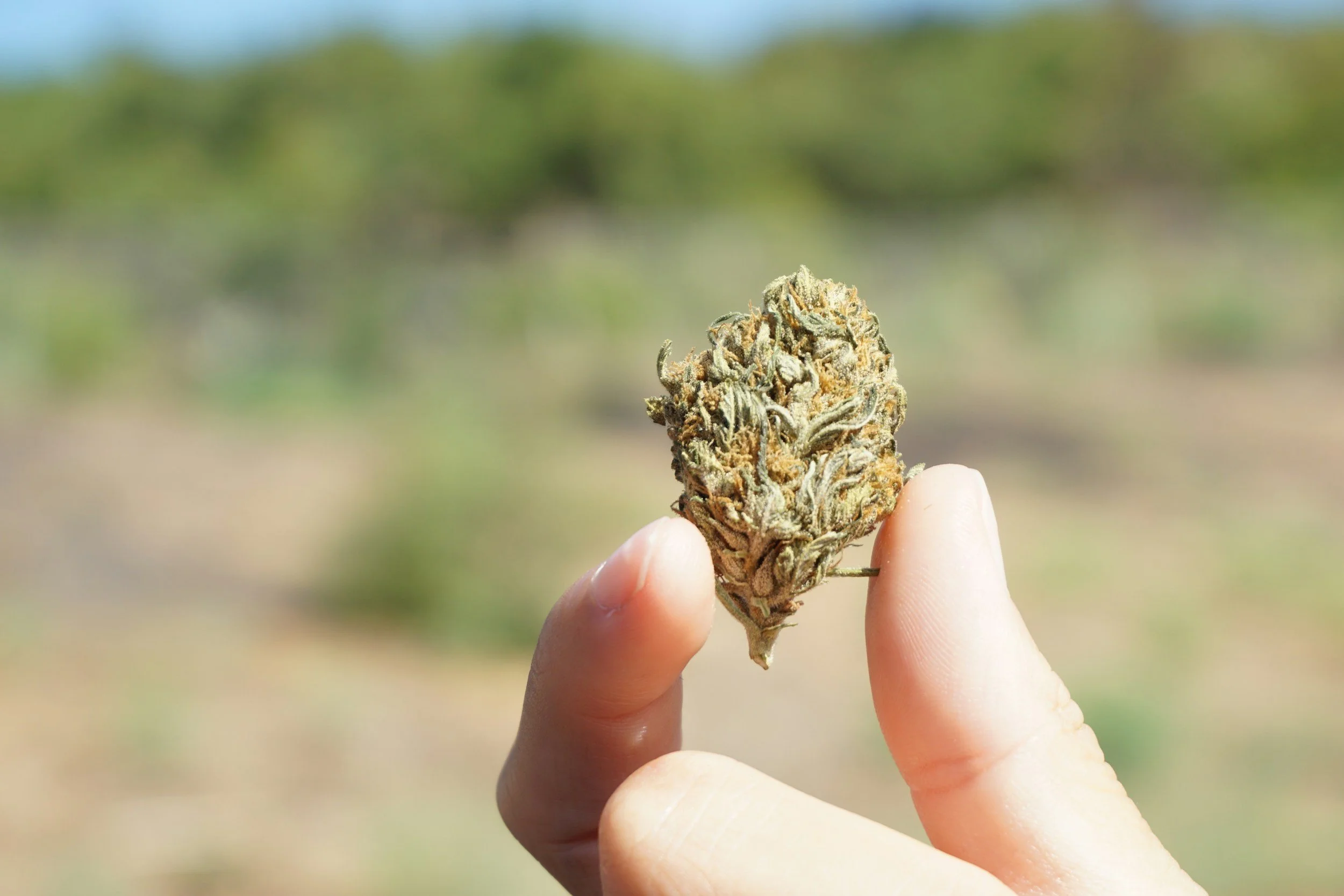
First-Time Medical Marijuana Certification Explained
Starting with the initial step, first time medical marijuana certification refers to the process a new patient completes to enter a state medical cannabis program. Although details differ by jurisdiction, this phase often involves reviewing eligibility rules, completing an evaluation with an authorized provider, and registering with a state system if required. Because programs are state-controlled, timelines and procedures may vary and can be updated over time.
Required Information for New Patients
As part of the initial process, new patients are usually asked to submit documentation to verify identity, residency, and eligibility under state law. The exact documents required can differ by state and may include government-issued identification, proof of residency, or other program-specific forms. Since requirements can change, patients are encouraged to consult official state guidance to confirm what information is currently needed before beginning the process.

Medical Marijuana Card Renewal Explained
After understanding how first-time certification works, the next consideration is how ongoing participation is maintained. Medical marijuana renewal is generally required at regular intervals so that patient records remain current and aligned with state program rules. These renewals are administrative in nature and are set by state law, meaning requirements, timelines, and procedures can vary and are subject to change.
When Patients Should Renew
Building on the need for periodic review, the timing for renewal depends on how long a state-issued certification or registration remains valid. Some states require annual renewals, while others allow longer or shorter validity periods. Because deadlines are set by state programs, patients are typically encouraged to begin the medical cannabis card renewal process ahead of expiration to allow time for scheduling, documentation, and administrative processing. Waiting until a certification has expired may result in temporary gaps in program participation.
What Typically Changes During Renewal
In addition to timing, renewals may involve updates compared to the initial application. Patients might be asked to confirm personal information, update residency details, or review program acknowledgments. While the core steps to renew medical marijuana card status are often similar to the original process, states may adjust requirements over time, and providers may request updated documentation. Reviewing current state guidance before starting a renewal can help patients understand what information may be needed.
Key Differences Between Renewal and First-Time Certification
With both pathways outlined, it can be helpful to compare how renewal differs from an initial certification. While both processes are governed by state rules and may change over time, they often vary in complexity and documentation requirements.
For first-time applicants, the process is typically more detailed. New patients are often required to submit comprehensive documentation, verify eligibility, and complete initial registrations with state systems. This stage may involve additional forms, identity checks, or orientation steps because the patient is entering the program for the first time.
Renewals, by contrast, are often more streamlined. Because patient records already exist, states may focus on confirming that information is still accurate rather than collecting everything again. That said, renewals can still require updated documents, acknowledgments, or re-evaluations, and the level of complexity depends on state-specific rules. Patients should not assume renewal is automatic and are encouraged to review current requirements each time, as procedures can evolve.

Avoiding Gaps in Certification
With the differences between first-time certification and renewal in mind, planning ahead becomes an important part of staying compliant. Gaps in certification can occur when renewal steps are delayed or when required updates are not completed in time, which is why understanding the broader medical marijuana card certification process can help patients anticipate what’s needed before an expiration date approaches.
Because renewal timelines and requirements vary by state, patients are encouraged to review state-specific guidance well in advance. For example, patients navigating Arizona medical marijuana card renewal may encounter different validity periods and documentation requirements than those following the Connecticut medical marijuana renewal process or Ohio medical marijuana card renewal rules. These differences highlight why relying on assumptions, or experiences from another state, can lead to unintended delays.
Starting the renewal process early allows time for scheduling, document review, and administrative processing, all of which can take longer than expected depending on state systems and provider availability. Since laws and procedures are subject to change, checking official state resources before a certification expires can help patients reduce the risk of lapses and better manage ongoing participation.
FAQs
-
Renewal frequency depends on state law and the validity period assigned to a certification or registration. Some states require renewal annually, while others allow longer or shorter periods. Because timelines are set at the state level and may change, patients should verify current requirements through official state program resources.
-
In many cases, renewal may involve fewer steps because patient records already exist. However, renewal is not automatic and can still require updated information, acknowledgments, or scheduling with an authorized provider. The level of effort varies by state and by any changes made to program rules since the last certification.
-
If a certification or card expires, a patient may temporarily lose the ability to participate in the state program until renewal is completed and reactivated. Some states treat an expired certification similarly to a new application, while others allow reinstatement after renewal. Policies differ, so patients are encouraged to check state guidance before an expiration date.
-
In many states, online renewal options are available, either for scheduling, submitting documentation, or completing state registry steps. Availability depends on state systems and provider policies, and some states may still require in-person components. Patients should confirm current options through official state websites or authorized providers.