
As medical cannabis programs continue to expand, patients are increasingly faced with a wide range of product options and varying regulatory frameworks. Understanding how to identify safe medical cannabis products can help patients make informed decisions within their state’s legal system, especially since laws, testing requirements, and oversight practices may vary by location and are subject to change.
This article provides an educational overview of how product safety is typically evaluated in medical cannabis markets.
Why Product Safety Matters for Medical Cannabis Patients
Building on the need for informed decision-making, product safety plays a central role in medical cannabis programs because patients rely on consistent standards rather than assumptions. State regulations often require products to be sold only through licensed cannabis dispensaries, where oversight, documentation, and compliance checks are built into the system. While safety requirements differ by state, regulated programs are generally designed to reduce uncertainty around product contents and handling.

What “Lab-Tested” Means in Medical Cannabis
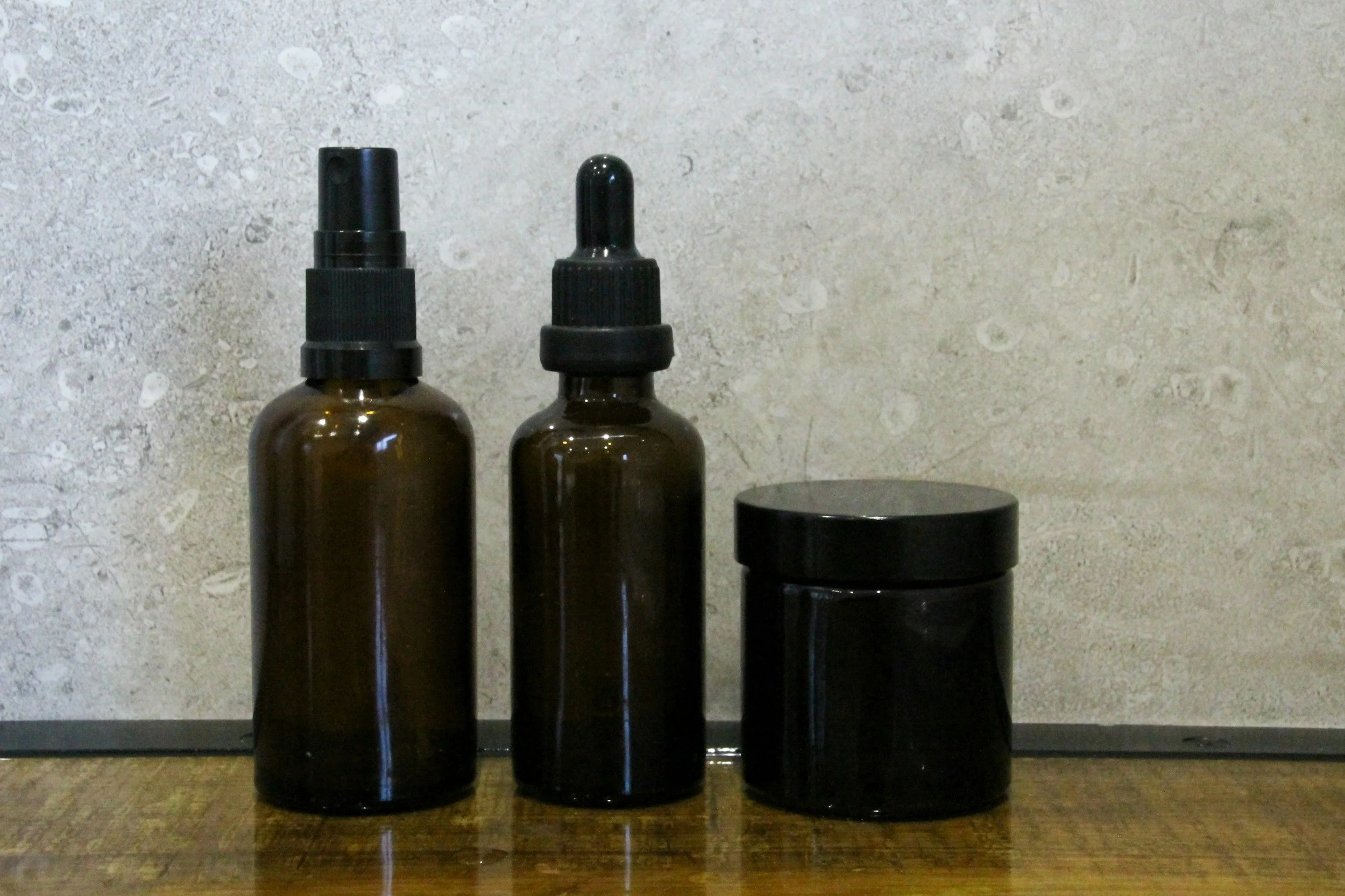
With safety considerations in mind, many patients encounter the term lab-tested medical cannabis when reviewing products or dispensary information. In general, this term refers to cannabis products that have undergone analysis by state-approved laboratories before being offered for sale. Testing requirements are set by state regulators and are intended to provide standardized information rather than assurances about outcomes.
Required Testing Standards
As part of this process, states typically establish medical cannabis testing standards that laboratories must follow. These standards may outline which analyses are required, how samples are handled, and how results are reported. Because regulatory frameworks evolve, the exact scope of required testing can differ across jurisdictions and may be updated over time.
Cannabinoid Labeling Basics
Once testing is completed, results are often summarized on product packaging. Medical marijuana product labeling commonly includes information such as cannabinoid content, batch numbers, and testing dates. Labels are intended to support transparency and traceability, allowing patients to review standardized details before making a purchase.
Contaminant and Quality Screening
In addition to labeling, many state programs require screening for contaminants and consistency as part of broader medical cannabis quality control measures. These screenings may address factors such as impurities or handling conditions, depending on state rules. While procedures vary, quality control processes are generally designed to align products with regulatory expectations rather than to guarantee specific effects.

Understanding Medical Cannabis Labels
After learning how products are tested and reviewed, the next step is knowing how to read the information presented on packaging. Labels are designed to communicate standardized details required by state regulations, helping patients understand key product attributes while reinforcing transparency and traceability within regulated programs.
THC and CBD Percentages
One of the most visible elements on a label is the percentage or milligram amount of cannabinoids such as THC and CBD. These values are typically reported based on laboratory analysis and reflect the composition of the specific batch tested. Because formulations and reporting formats can vary by state, patients may see percentages, milligrams per unit, or both. Reviewing these figures can help patients compare products, keeping in mind that labeled values represent measured content rather than expected effects.
Batch Numbers and Dates
Labels often include a batch or lot number along with packaging or testing dates. Batch numbers link the product to a specific production run and corresponding laboratory report, which supports traceability if questions arise later. Dates can indicate when testing occurred or when the product was packaged, offering context about how recently the product moved through the regulated supply chain.
State Compliance Labels
Many states also require a compliance symbol or statement on medical cannabis packaging. These markers indicate that the product was produced, tested, and sold in accordance with that state’s rules at the time of distribution. Compliance labels vary by jurisdiction and may change as regulations are updated, so patients are encouraged to familiarize themselves with their own state’s official symbols and notices.

Why Buying From Licensed Dispensaries Is Important
With labeling and testing information in mind, where a product is purchased can be just as important as what appears on the package. Buying through regulated channels helps ensure that products have passed through required oversight systems rather than informal or unverified supply chains.
Licensed dispensaries operate under state-specific rules that govern sourcing, recordkeeping, and compliance checks. For example, Arizona licensed medical cannabis dispensaries are required to follow state approval and inspection processes, while Connecticut medical cannabis product rules outline how products must be handled, tracked, and sold within that program. Similarly, Ohio medical marijuana dispensary regulations establish standards for verification, reporting, and retail operations.
These requirements are designed to promote consistency and accountability within each state’s medical cannabis framework. While regulations vary and may change over time, purchasing from licensed dispensaries helps patients align with current state law and reduces uncertainty about how products entered the market.
FAQs
-
This generally refers to products that have undergone analysis by a state-approved laboratory before being offered for sale. Testing is typically required by state regulations and is intended to verify that certain measurements and screening criteria are met at the time of testing. Specific requirements, methods, and reporting formats can vary by state and may change over time.
-
Product labels usually provide standardized information required by state rules, such as cannabinoid content, batch or lot numbers, and testing or packaging dates. Patients can review these details to better understand how a product is identified and tracked within the regulated system. Because labeling formats differ by jurisdiction, checking state guidance can help clarify what each element represents.
-
No. While states often require testing as part of their regulatory framework, the scope and methodology of testing can differ. Some states may mandate a broader range of analyses, while others focus on a more limited set of criteria. Testing standards are set at the state level and are subject to revision as regulations evolve.
-
Unlicensed sellers operate outside of state regulatory systems, which means their products may not be subject to required testing, documentation, or oversight. Purchasing through regulated channels helps patients stay aligned with current laws and reduces uncertainty about how products were produced or handled. Laws and enforcement priorities vary by state, so relying on official, licensed sources remains the most consistent way to follow program requirements.