Veteran & First Responder Discounts: How to Qualify and Save on Medical Cannabis
For veterans and first responders, medical cannabis programs often include meaningful cost-saving opportunities designed to recognize service and sacrifice. Understanding how these discounts work, who qualifies, and what documentation is required can significantly reduce the overall cost of certification, renewals, and dispensary purchases, especially when navigating medical cannabis savings programs across different states.
Who Qualifies for Medical Cannabis Discounts
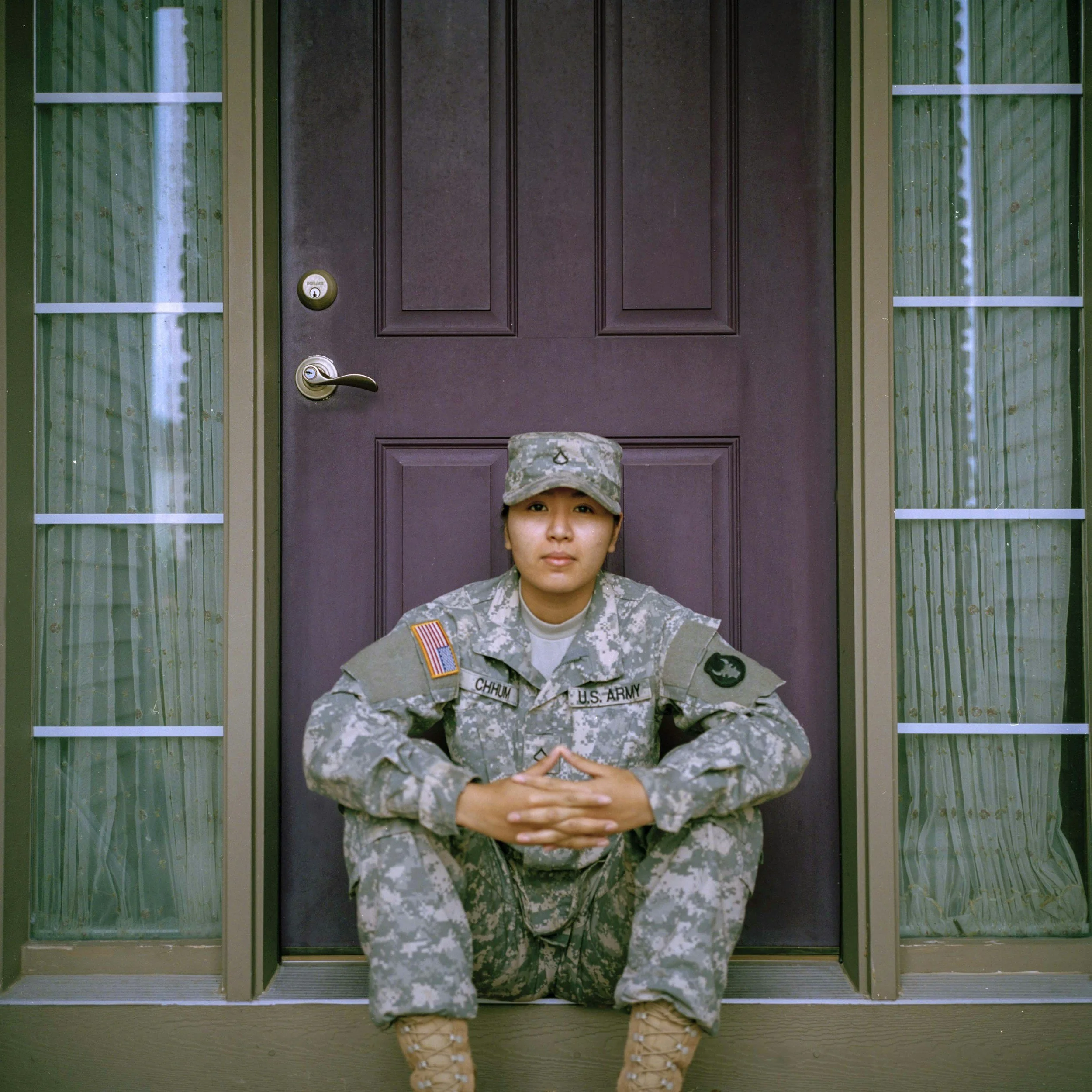
Many state programs and dispensaries offer reduced pricing for eligible patients, but qualification depends on both medical eligibility and service status. Discount structures vary by state and provider, yet most programs are built around clear MMJ discount eligibility guidelines to ensure benefits reach qualifying individuals.
Veterans and first responders may receive savings on physician evaluations, discount medical card renewal, and in-store purchases, depending on state regulations such as Virginia veteran cannabis rules, and first responder cannabis rules in Ohio.
Veterans
Veterans are one of the most widely recognized groups eligible for medical cannabis discounts. Many clinics and dispensaries offer a veteran medical marijuana discount to reduce the financial burden of certification and ongoing treatment. These savings may apply to initial evaluations, renewals, or product purchases through a veteran medical cannabis program.
Eligibility typically requires proof of military service, and benefits may vary by state. For example, veteran medical card options in Virginia often include discounted evaluations tied to VA cannabis certification cost, while Ohio veteran cannabis options may focus more on dispensary-level pricing. In some states, veterans may also qualify for reduced renewal fees under a veteran cannabis certification pathway.

First Responders
First responders, including law enforcement officers, firefighters, EMTs, and paramedics, may also qualify for reduced costs through first responder cannabis discount programs. These discounts recognize the high-stress nature of frontline service and are often applied to medical card evaluations or dispensary purchases.
Programs may require additional steps for first responder verification cannabis eligibility, particularly when issuing a first responder cannabis card. In states such as Ohio and Minnesota, discount structures can vary by location. Minnesota first responder cannabis programs often align discounts with broader medical cannabis savings programs, while eligibility in Ohio is frequently determined by individual dispensary or provider policies rather than a statewide mandate.
Required Documents
To qualify for veteran or first responder discounts, patients must provide documentation verifying both medical eligibility and service status. While requirements differ by state and provider, commonly accepted documents include:
Government-issued photo ID
Proof of veteran status (DD-214, VA ID, or military service records)
Proof of first responder status (department ID, badge, or employer letter)
Active medical marijuana certification
Providing accurate documentation ensures smooth approval and confirms MMJ discount eligibility for both certification and dispensary savings. Keeping these records up to date is especially important when applying discounts toward future renewals or recurring dispensary purchases.
How Discounts Work During Certification
Medical cannabis discounts for veterans and first responders are most commonly applied during the certification or recertification process with a licensed medical marijuana provider. These discounts help reduce upfront evaluation costs, making access to treatment more affordable for those who have served their communities. Depending on the provider and state regulations, savings may apply to initial consultations, follow-up visits, or other qualifying medical cannabis services.
To receive a reduced rate, patients typically select a veteran or first responder option during appointment booking and submit verification documents before or during their consultation. Once eligibility is confirmed, the discount is applied automatically to the certification cost. Many clinics clearly outline these reduced rates online, allowing patients to compare pricing and see certification options for veterans and first responders before scheduling an appointment. This transparency helps ensure qualified patients take full advantage of available medical cannabis savings programs while staying compliant with state laws.
Telemedicine Considerations
Because many certifications now happen online, it’s important to understand how discounts apply in a telemedicine setting. Most providers that offer veteran or first responder pricing extend those savings to virtual appointments as well, provided eligibility is verified in advance. Telemedicine can simplify access by reducing travel time and allowing patients to complete evaluations from home, while still following all state requirements. However, availability and pricing may vary by provider and state, so patients should always review discount terms before booking.
Verification Process
Once telemedicine eligibility is confirmed, the next step is completing the verification process to activate any applicable discount. Verification typically involves uploading service-related documentation, such as military discharge papers or employer-issued credentials, either during scheduling or before the appointment. Clinics review these documents to confirm eligibility and apply the appropriate discount. Completing verification early helps avoid delays and ensures pricing is correctly applied at checkout or during renewal.
How Much Patients Typically Save
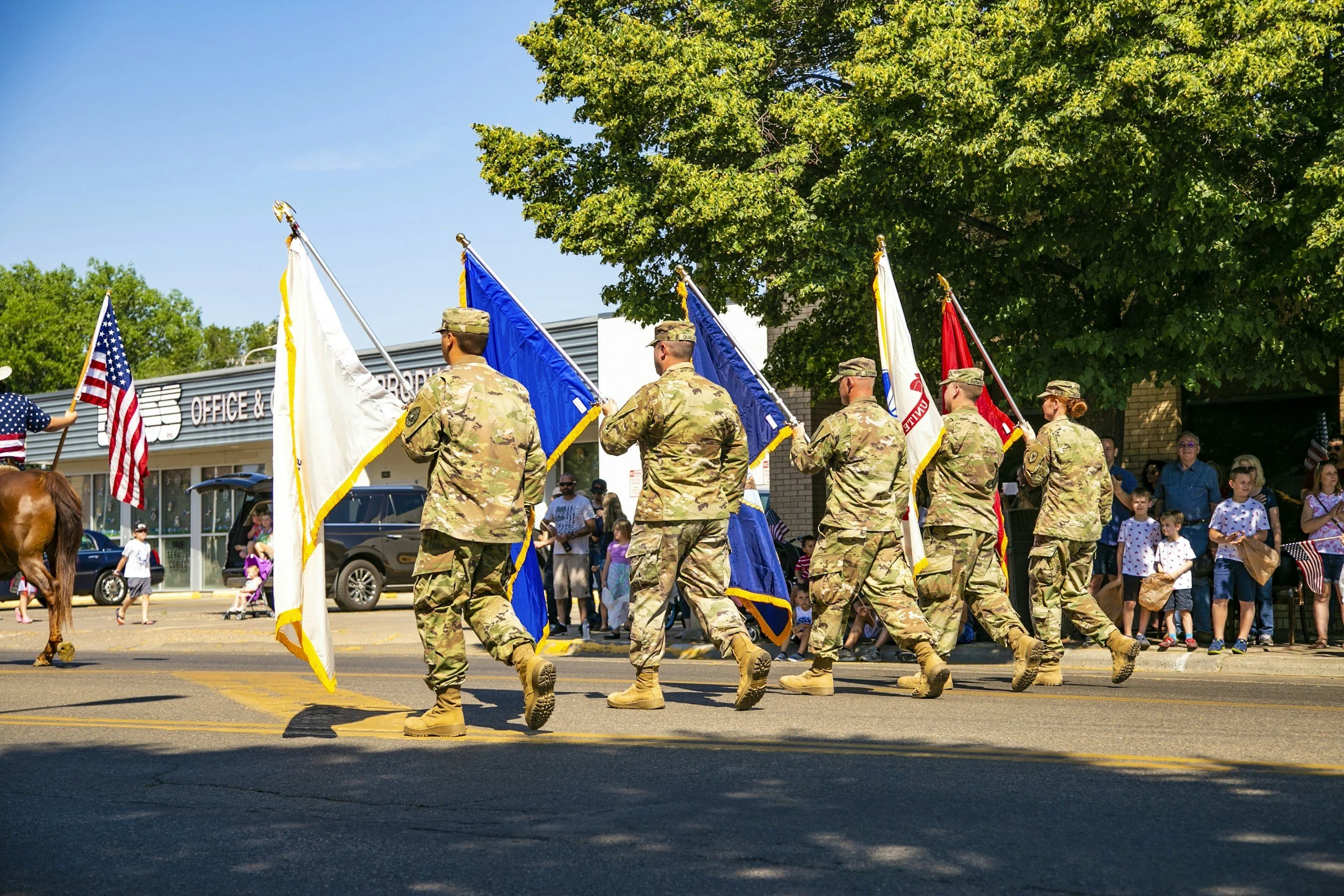
After verification and certification are complete, many patients want to understand what kind of savings to expect. While exact amounts vary, veterans and first responders may see modest reductions on certification fees, renewals, or dispensary purchases depending on state rules, provider policies, and participation in local programs. These savings are intended to help reduce overall costs over time, but they are not guaranteed and may change based on eligibility, location, or program updates. Patients are encouraged to view discounts as one part of a broader effort to make medical cannabis access more affordable and manageable.

Common Questions About Discounts
After learning how verification and savings typically work, many veterans and first responders still have practical questions about eligibility, documentation, and ongoing access to reduced pricing. Addressing these concerns helps patients better understand MMJ discount eligibility and avoid unnecessary delays when seeking certification or renewal through medical cannabis savings programs.
What if documents are missing?
If required documents are missing, the first step is to contact the certification provider or dispensary directly for guidance. Some providers may allow patients to proceed with standard pricing until documentation is submitted, while others may pause the application until verification is complete. Veterans exploring veteran medical card options, as well as first responders navigating Minnesota first responder cannabis programs, should review documentation requirements carefully to avoid interruptions. Because first responder verification cannabis policies can differ by state and provider, submitting complete and accurate records early helps ensure smoother processing.
Are discounts available for renewals?
Once patients are certified, many wonder whether savings extend beyond the initial approval. In some cases, discounts may be applied to renewals, depending on provider policies and state regulations. Veterans and first responders may qualify for reduced fees during discount medical card renewal, but availability can vary year to year. Patients renewing under Virginia veteran cannabis rules, or programs tied to Minnesota medical cannabis eligibility should confirm renewal pricing in advance. Reviewing options ahead of time allows patients to plan accordingly and determine whether renewal discounts remain available.
FAQs
-
A first responder typically includes professionals who are first to arrive at emergency situations, such as firefighters, emergency medical technicians (EMTs), paramedics, law enforcement officers, and in some cases 911 dispatchers. Eligibility for a first responder cannabis card or first responder cannabis discount may depend on state rules and provider policies. For example, First responder cannabis rules in Ohio and programs related to Minnesota first responder cannabis may define qualifying roles slightly differently, so it’s always best to confirm eligibility before applying.
-
To meet MMJ discount eligibility, patients are usually required to provide proof of service along with standard identification. Commonly accepted documents include a government-issued photo ID and service verification, such as a military discharge form for veterans or an employer-issued ID or letter for first responders. Clinics may request these documents during scheduling or before certification to complete first responder verification cannabis or veteran verification.
-
In some cases, yes, but it depends on the provider and state program. Certain clinics and dispensaries may offer reduced pricing for renewals, while others limit discounts to initial certification only. Veterans renewing under Virginia veteran cannabis rules, or those covered by Ohio veteran cannabis options, should always confirm renewal pricing in advance, as discount availability can change over time.
-
No. Discounts do not affect the speed or outcome of the medical cannabis approval process. All patients must meet the same medical and legal requirements regardless of discounted pricing. While medical cannabis savings programs may reduce costs, approval timelines depend on provider review, state registry processing, and documentation accuracy, not discount status.