Medical Marijuana for Anxiety & Depression (2026 Edition)
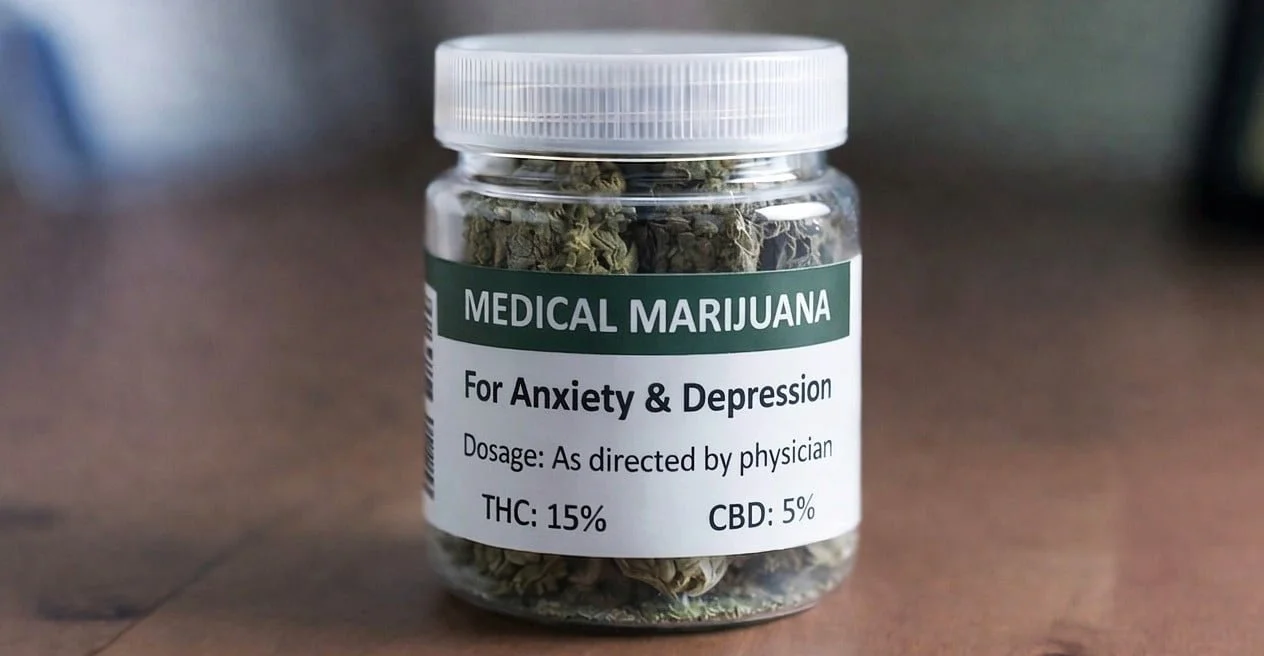
Yes. Anxiety and depression are the primary reasons patients qualify for medical marijuana in 2026. As clinical understanding of mental health has evolved, the transition from traditional pharmaceuticals to plant-based therapy has become a standard path for thousands of individuals seeking a more balanced quality of life. In the current regulatory landscape, holding a formal medical certification offers advantages that go far beyond simple access.
Choosing the medical route in 2026 provides essential safeguards, including legal workplace protections and significant financial relief. While adult-use markets exist in many areas, medical cardholders frequently save up to 20% on every purchase through tax exemptions and lower patient pricing tiers.
For those hesitant to book due to a fear of being "turned away," the process is designed for patient success. The evaluation is risk-free from a payment perspective, payment is only processed for approved certifications. This ensures that every person seeking help can do so without financial vulnerability.
Related article: Do You Qualify for a Medical Marijuana Card? (2026 Eligibility Guide)
See how much you could save with a medical card

Anxiety & Depression Qualifications: Why Approval is the Standard in 2026
Anxiety and depression are commonly discussed during medical marijuana evaluations (conditions) in many states where CannabisMD TeleMed operates. Because laws vary significantly, patients often research whether anxiety and depression as grounds for a medical marijuana card are recognized before gathering records or scheduling an evaluation.
The qualification process generally falls into two categories based on state law. In "Open-condition states" such as Virginia and Oklahoma, affiliated medical marijuana doctors utilize professional discretion. In these jurisdictions, the focus remains on the patient’s self-reported symptoms and the potential for cannabis to improve their daily function. Conversely, in "Fixed-list states" like Pennsylvania, New York, and Maryland, anxiety and PTSD are explicitly listed as qualifying conditions, removing the ambiguity of the past.
A significant shift in 2026 is the focus on "Quality of Life Improvement." Rather than requiring a history of "treatment failure," where a patient must prove they tried and failed multiple prescription medications, physicians on the platform prioritize how cannabis can stabilize a patient's current well-being. Whether you are seeking a medical marijuana card for anxiety or managing the heavy weight of persistent low mood, the clinical goal is to provide a tool for symptom management that aligns with your lifestyle.
Related article: 6 Medical Marijuana Benefits 2026
| State Type | Priority States | Requirements Overview |
|---|---|---|
| Primary (Open) | Virginia | High doctor discretion; same-day approval; no prior records needed. |
| Primary (Open) | Oklahoma | Full physician discretion; widely accessible for mental health. |
| Secondary (List) | Pennsylvania | Anxiety is an explicitly listed qualifying condition. |
| Secondary (List) | Maryland | Fixed list includes chronic conditions where other treatments are ineffective. |
| Secondary (List) | Missouri | Clear qualifying lists that include PTSD and debilitating psychiatric disorders. |
For younger patients, the process is different and usually requires parent or legal guardian involvement. Families researching medical cannabis for teenagers with anxiety or depression should review caregiver rules, age requirements, and provider evaluation steps before scheduling an appointment.
The 15-Minute Consultation: What Your Physician Actually Needs to Hear
One of the most common hurdles for patients is the "white coat" anxiety associated with a medical evaluation. It is helpful to view the affiliated medical marijuana doctors as allies rather than gatekeepers. Their role is to confirm that medical cannabis is a safe and viable option for your specific situation, not to cross-examine your personal history.
When preparing for your telehealth appointment, consider how your symptoms manifest in your reality. You do not need to memorize a script or provide a clinical diagnosis. Instead, focus on honesty and clarity regarding your daily experience. Most consultations revolve around four fundamental pillars:
Impact on Daily Routine: How do your symptoms affect your ability to sleep, eat, or engage in social activities?
Current Management: What non-cannabis treatments have you explored, such as therapy, meditation, or over-the-counter aids?
Work-Life Balance: How does your condition interfere with your professional productivity or your presence with family?
Personal Goals: What are your goals for using medical cannabis? Are you looking for a sleep aid, a way to curb panic attacks, or something to help you find motivation during depressive "lows"?
In open-condition states like Virginia, medical records or formal psychiatric referrals are not required. The physician relies on the information provided during the video call to determine if anxiety qualifies for medical marijuana in your case. This streamlined approach removes the burden of tracking down old files from previous doctors, making the path to relief immediate and accessible.
Will My Primary Care Doctor or Employer Know?
Privacy is a cornerstone of the 2026 medical marijuana program. A common fear among patients is that a "permanent record" will notify their employer or their primary care physician of their cannabis use. However, HIPAA (Health Insurance Portability and Accountability Act) protects these records with the same rigor as any other medical data. Your certification is private, and the evaluation conducted via the platform is encrypted and secure.
Beyond privacy, the legal weight of a medical certification is substantial. When a patient asks, "can I get a medical marijuana card for anxiety?" they are often really asking about security. Once the certification is issued, patients in many states gain specific legal protections regarding housing and employment that are not afforded to recreational users. While recreational use is often treated similarly to alcohol in a legal context, medical use is treated as a prescribed therapeutic necessity. This distinction can be vital for those who need to maintain their professional standing while managing their mental health.
Anxiety and depression discussions often overlap with broader conversations about sensory processing, neurological symptoms, sleep disruption, and quality of life. Because of this, some patients also explore the best cannabis strains for neurological and mental health conditions when researching how different cannabis profiles are commonly discussed.

The 100% Refund Guarantee: Success or Your Money Back
The fear of spending money on a "rejection" keeps many people from getting the help they deserve. To eliminate this barrier, CannabisMD Telemed operates on a success-based model. With a 99%+ approval rate for anxiety and depression, the vast majority of patients find the process straightforward and rewarding.
Once the evaluation is complete, the physician either issues the digital certification immediately or the patient receives a full, automatic refund. There is no "processing fee" for a denial. This guarantee exists because the goal is to expand access to medical marijuana for anxiety, not to profit from those who do not qualify.
If you have been wondering what to tell a doctor to get a medical marijuana card, the answer is simply the truth. Physicians on the platform are specifically trained in cannabinoid medicine and understand the nuances of medical marijuana for depression better than most general practitioners.
Check Your Eligibility - Only Pay If Approved →
How to Secure Your Certification Today (3 Steps)
The modern process is designed to be completed from the comfort of your home, ensuring that those dealing with social anxiety or physical fatigue do not have to travel to a clinic.
Book Online: Pick a time that fits your schedule. The calendar is flexible, offering evening and weekend slots to accommodate working professionals.
Telehealth Evaluation: Speak with a licensed physician via video. This 15-minute conversation is the only step between you and your certification.
Immediate Access: Receive your digital certification via email within minutes of approval. Once you have this document, you can enter any licensed dispensary in your state and begin your wellness journey.
Frequently Asked Questions
-
Yes. Beyond just granting legal access, a medical marijuana card for anxiety and depression allows you to speak with dispensary pharmacists who can guide you on specific terpene profiles (like Linalool or Limonene) that target anxiety without triggering paranoia.
-
No. You do not need a note from your therapist or a referral from a primary care doctor to book your evaluation.
-
Yes. While the requirements vary by state, many patients seeking a medical marijuana card for depression also find that their related symptoms, such as those associated with PTSD, are fully covered under existing qualifying lists.