
Will I Fail a Drug Test at Work If I Have a Medical Marijuana Card?
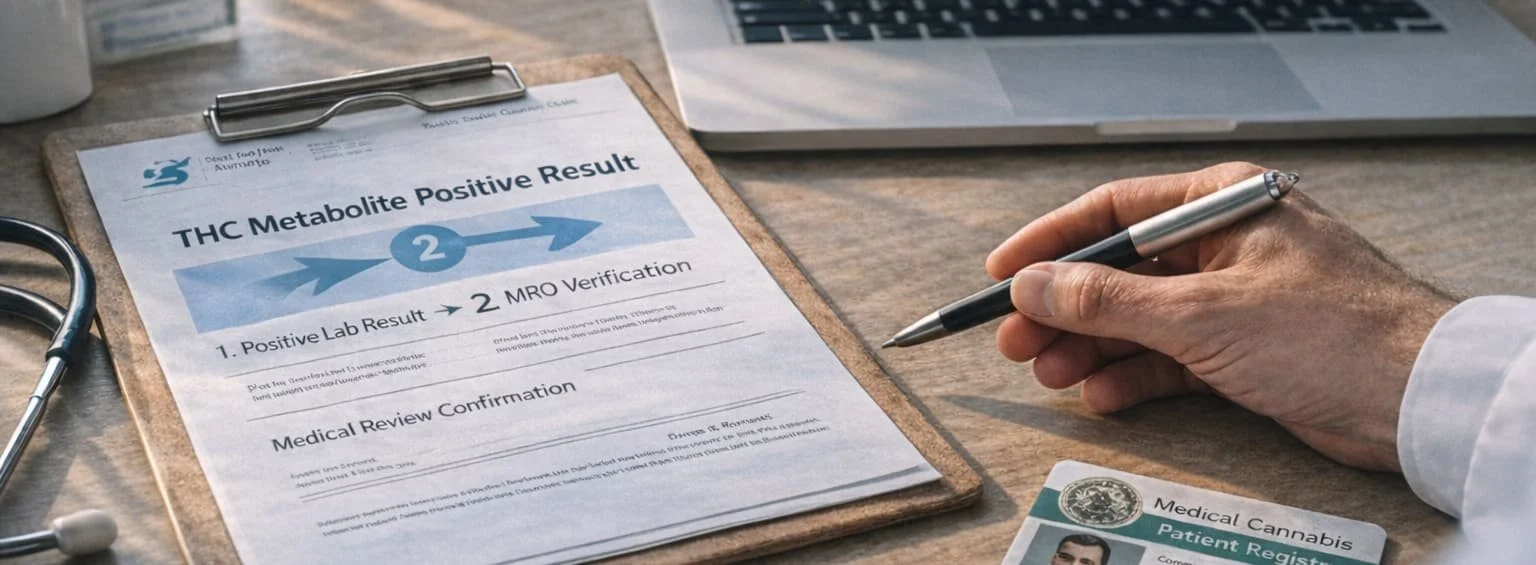
No, having a medical marijuana card does not cause you to fail a workplace drug test, using cannabis does. A standard employment screening looks for THC metabolites, not whether you are legally authorized to use the medication. If you use medical cannabis and your test detects THC, the result will be positive regardless of your diagnosis or physician recommendation. Whether you keep your job after a medical marijuana card drug test work scenario depends on state law, employer policy, and the nature of your position.
Many patients ask us “can you fail a drug test with medical card”, assuming the card itself triggers the result. It does not. Drug tests cannot see your registry status; they only measure chemical evidence of use. The real question is whether a positive THC test if I have a medical card will trigger legal consequences or issues at work.
See how much you could save with a medical card
Why a Medical Marijuana Card Doesn’t Automatically Protect You at Work
Marijuana remains illegal under federal law as a Schedule I substance, which means federal rules still treat it as having no accepted medical use. The Americans with Disabilities Act protects individuals with disabilities but does not require employers to accommodate illegal drug use under federal law. As a result, having a recommendation from a physician does not automatically override workplace drug policies.
Employers are allowed to enforce drug-free workplace rules, especially in regulated industries. Federal guidance from agencies such as SAMHSA and the U.S. Department of Transportation requires strict testing standards for safety-sensitive positions. This is why a THC drug test job outcome may be the same whether cannabis is recreational, medical, or illegal in your state.
Key Fact: Even in states where medical marijuana is legal, federal contractors and safety-sensitive employers can still enforce zero-tolerance policies.

State-by-State: Where You’re Protected and Where You’re Not
Some states provide meaningful employment protections for registered patients, while others provide none. Protection usually means an employer cannot take action solely because of a patient’s legal status or a positive test, unless impairment or safety risk is involved.
| State | Protection Level | What It Means in Practice |
|---|---|---|
| Virginia | Strong | Employers generally cannot discriminate against registered medical cannabis patients under HB 1862, except for safety-sensitive roles or when federal law conflicts. See Virginia medical marijuana card page |
| Texas | None | Limited program; employers may enforce zero-tolerance policies. See Texas medical marijuana program page |
| West Virginia | Partial | Some protections exist, but employers retain broad authority for safety concerns. See West Virginia medical marijuana card page |
| Minnesota | Strong | Registered patients are generally protected, with limited exceptions. See Minnesota medical marijuana card page |
| Ohio | None | Law explicitly allows employers to discipline or terminate for use. See Ohio medical marijuana card page |
| Pennsylvania | Strong | Cannot refuse hiring solely for card status, but safety positions excluded. See Pennsylvania medical marijuana card page |
| Oklahoma | Partial | Cannot refuse hiring solely for card status, but safety positions excluded. March 2026 update: A bill to expand employer firing rights (HB 3127) was defeated in the Oklahoma House - existing protections remain in effect. See legislative update below. Also See Oklahoma medical marijuana card page |
| Arizona | Strong | Employers cannot discriminate for a positive test unless impairment is shown. See Arizona medical marijuana card page |
| Connecticut | Strong | Anti-discrimination protections for registered patients. See Connecticut medical marijuana card page |
| Kentucky | Partial | Registered patients have legal protection under SB 47, but employers may still enforce drug-free workplace policies under state impairment assessment rules. See Kentucky medical marijuana card page |
Protection does not mean immunity. Even in strong states, employers may act if they believe your use creates a safety risk, violates federal rules, or conflicts with job duties. When patients ask me can I be fired for medical marijuana, the honest answer is yes - depending on these factors.
Oklahoma Legislative Update - March 2026
On March 14, 2026, the Oklahoma House voted down House Bill 3127 - a measure that would have allowed employers to unilaterally classify virtually any job as "safety-sensitive," significantly expanding their authority to terminate registered medical marijuana patients based on a positive drug test.
The bill failed after lawmakers raised concerns about its impact on Oklahoma's 315,000+ registered patients and questioned whether broadening safety classifications beyond existing law was legally justified. The bill's sponsor filed notice to potentially reintroduce the measure on a future legislative day, meaning the issue is not fully resolved.
What This Means For Oklahoma Patients
Existing employment protections remain in place for now. However, this legislation signals ongoing pressure on patient rights at the state level. Understanding your legal standing before a drug test situation arises is more important than ever.
Get your Oklahoma medical marijuana card today
High-Risk Jobs: When Federal Rules Override State Law
Certain occupations are governed by federal safety regulations or funding requirements that supersede state medical marijuana laws. In these roles, a medical marijuana card rarely provides protection, and a positive THC result can carry immediate employment consequences regardless of whether use was legal or medically authorized. The stricter the safety risk or federal oversight, the less flexibility employers have. Patients working in these fields should assume zero tolerance unless explicitly told otherwise.
Federal employees: Federal law applies, not state legalization. Positive THC results typically disqualify employment.
CDL drivers / DOT-regulated workers: Department of Transportation regulations prohibit marijuana use entirely, regardless of state legality.
Healthcare workers: Hospitals receiving federal funding may enforce strict drug policies.
Aviation / FAA personnel: FAA rules treat marijuana use as incompatible with safety certification.
Office or remote workers: Generally lower risk, especially in states with protections, but company policy still governs outcomes.
What Happens After a Positive THC Test - Step by Step
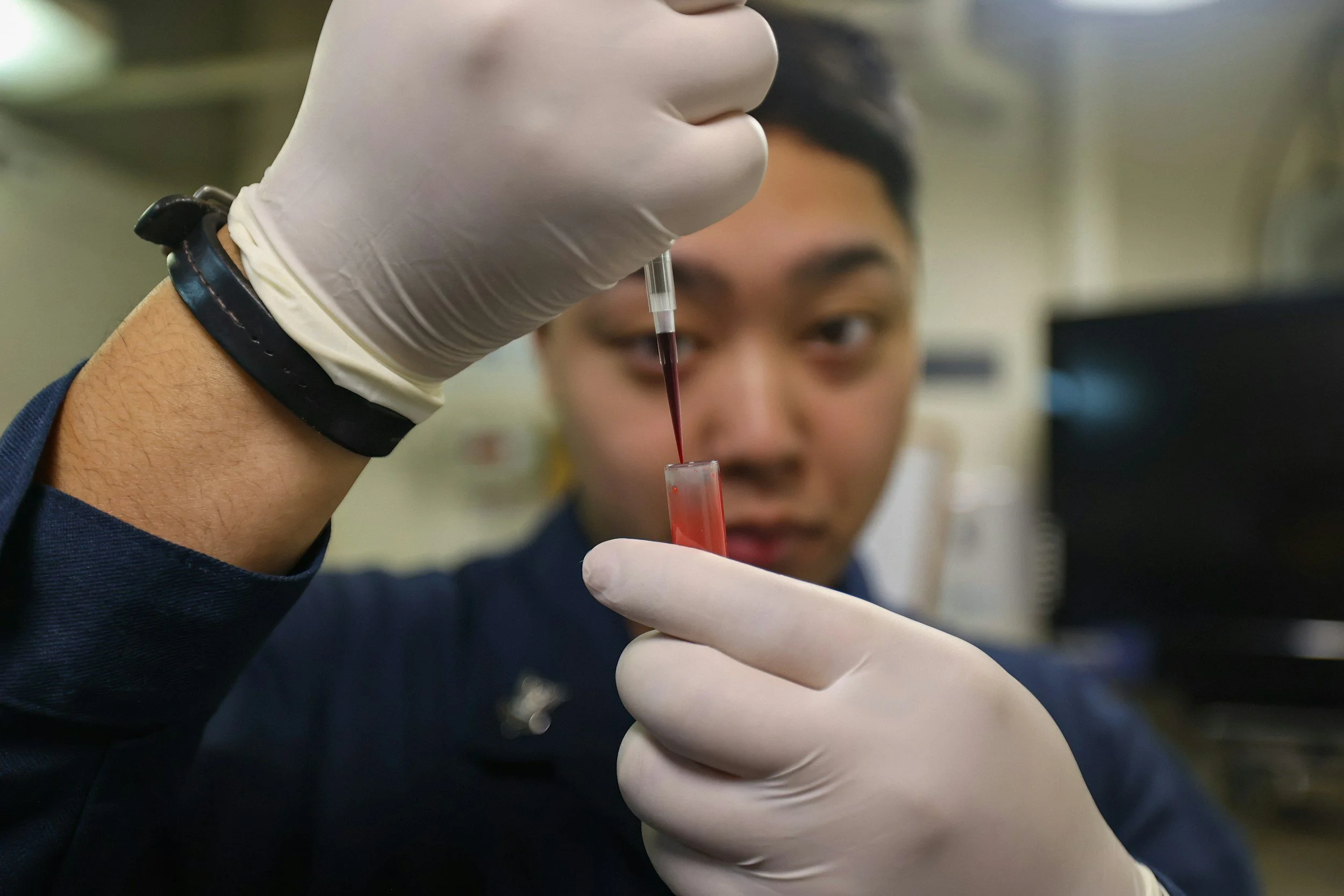
A positive THC result does not go straight from the lab to your employer without review. Workplace testing follows a structured medical and administrative process designed to verify accuracy, rule out errors, and determine whether any legitimate explanation exists.
Testing positive for THC does not automatically mean every workplace handles the situation the same way. Because policies vary significantly, many patients also research workplace rights and protections related to positive THC tests before using medical cannabis.
Understanding these steps can reduce anxiety and help you respond appropriately if you are a registered patient. The final outcome ultimately depends on employer policy, applicable laws, and the nature of your job.
Laboratory confirms a positive result: Certified labs follow strict federal testing standards to identify THC metabolites.
A Medical Review Officer (MRO) contacts you: This physician verifies whether legitimate medical explanations exist.
You may disclose your medical marijuana card: Disclosure is voluntary but often helpful in protected states.
Outcome depends on state law and job type: Protective states may limit employer action; non-protective states typically allow discipline.
Employer makes the final decision: Policies, contracts, and safety considerations determine whether employment continues.
Workplace drug tests generally screen for THC metabolites rather than whether someone holds a medical marijuana card. Because of this, many patients research THC detection windows before a workplace drug test when trying to estimate how long cannabis compounds may remain detectable.
5 Things Medical Card Holders Should Do Before Any Drug Test
If you hold a medical marijuana card, here are 5 things you should do before any drug test:
Read your employee handbook carefully: Policies vary widely, even within the same state. Some companies explicitly prohibit marijuana regardless of legality.
Understand your state’s protections: Laws summarized by organizations like the National Conference of State Legislatures show major differences between jurisdictions. This is the foundation of medical marijuana card employment protection.
Know THC detection windows: THC metabolites can remain detectable in urine for days to weeks depending on frequency of use. Occasional users may clear faster than daily patients.
Be strategic about HR disclosure: Disclosing your card proactively can help in protective states but may create unnecessary risk in non-protective ones. There is no universal rule.
Consult a knowledgeable medical cannabis physician: A clinician can advise on dosing schedules, alternatives, or timing strategies that minimize occupational risk while maintaining symptom control.
Bottom Line: Know Your Rights Before You Apply for Your Card
A medical marijuana card does not cause a failed test, and it does not guarantee protection if you use cannabis and test positive. The outcome depends on where you live, what you do for work, and your employer’s policies. Understanding these factors beforehand prevents unpleasant surprises. Patients who plan ahead can often use medical cannabis safely while maintaining employment.
Ready to get your medical marijuana card? Our licensed physicians are available today. Most patients are certified in under 15 minutes online.
Resources
The following federal and state government sources explain how workplace drug testing and medical cannabis laws apply to employees.
Federal workplace drug testing policies and safety-sensitive regulations https://www.samhsa.gov/substance-use/drug-free-workplace/employer-resources/federal-laws
U.S. Department of Transportation drug and alcohol testing regulations https://www.transportation.gov/odapc
Congressional Research Service - Federal marijuana law overview
https://www.congress.gov/crs-product/IF12270
National Conference of State Legislatures - State medical cannabis employment protections overview
https://www.ncsl.org/health/cannabis-and-employment-medical-and-recreational-policies-in-the-states
Virginia medical cannabis employment protections (HB 1862)
https://lis.virginia.gov/cgi-bin/legp604.exe?211+ful+HB1862
Texas Compassionate Use Program - official state program information
https://www.dps.texas.gov/section/compassionate-use-program
West Virginia Medical Cannabis Act - patient protections and limitations
https://code.wvlegislature.gov/16A/
Minnesota Medical Cannabis Program - employment protections for registered patients
https://www.revisor.mn.gov/statutes/cite/152.32
Ohio Medical Marijuana Control Program - employer rights under state law
https://codes.ohio.gov/ohio-revised-code/section-3796.28
Pennsylvania Medical Marijuana Act (Senate Bill 3)
https://www.legis.state.pa.us/cfdocs/billinfo/billinfo.cfm?syear=2015&sind=0&body=S&type=B&bn=3
Oklahoma Medical Marijuana Authority - patient rights and employer policies
https://oklahoma.gov/omma/patients-caregivers/patient-rights-and-responsibilities.html
Arizona Medical Marijuana Act - anti-discrimination protections
https://www.azleg.gov/ars/36/02813.htm
Connecticut medical marijuana program and patient protections
https://portal.ct.gov/DCP/Medical-Marijuana-Program
Frequently Asked Questions
-
No. Registries are confidential medical records protected under privacy laws. Employers cannot access them without your permission. Drug tests detect metabolites, not registration status. This privacy principle is reinforced by federal workplace testing guidance.
-
Yes. Most drug tests measure past use, not impairment. Employers often base decisions on policy violations rather than real-time intoxication. In states without protections, termination may occur even for off-duty medical use.
-
Not automatically. Disclosure may help in states with anti-discrimination laws but offers little benefit where none exist. Employers are not required to accommodate use that conflicts with federal law or safety standards. The ADA does not mandate accommodation for marijuana use.
-
Federal standards prohibit marijuana use regardless of state legality. Positive tests can jeopardize employment, clearance eligibility, or both. This includes contractors working on federal projects. Federal policy takes precedence over state programs.
-
Detection time varies widely. Occasional users may test positive for several days, while chronic users can remain positive for weeks. Body fat, metabolism, and frequency of use all influence elimination. There is no reliable way to guarantee rapid clearance.
-
No. Unlike medications such as opioids prescribed through traditional pharmacies, medical cannabis recommendations do not invalidate a positive test under federal rules. The MRO will document the explanation, but the employer still decides how to proceed. A card confirms legality of use, not workplace acceptance.