Quick answer: CBD (cannabidiol) is a non-intoxicating cannabinoid found in cannabis and hemp. In Virginia, hemp-derived CBD products containing less than 0.3% THC are legal to purchase without a medical card under both state law and the federal 2018 Farm Bill.
Many people exploring CBD want to know what it is, whether it can make you feel high, how it differs from medical cannabis, and whether it is legal in Virginia. This guide explains how CBD works, what current research says, how Virginia law treats CBD products, and what to consider when choosing between hemp-derived CBD and Virginia's medical cannabis program.
What Is CBD?
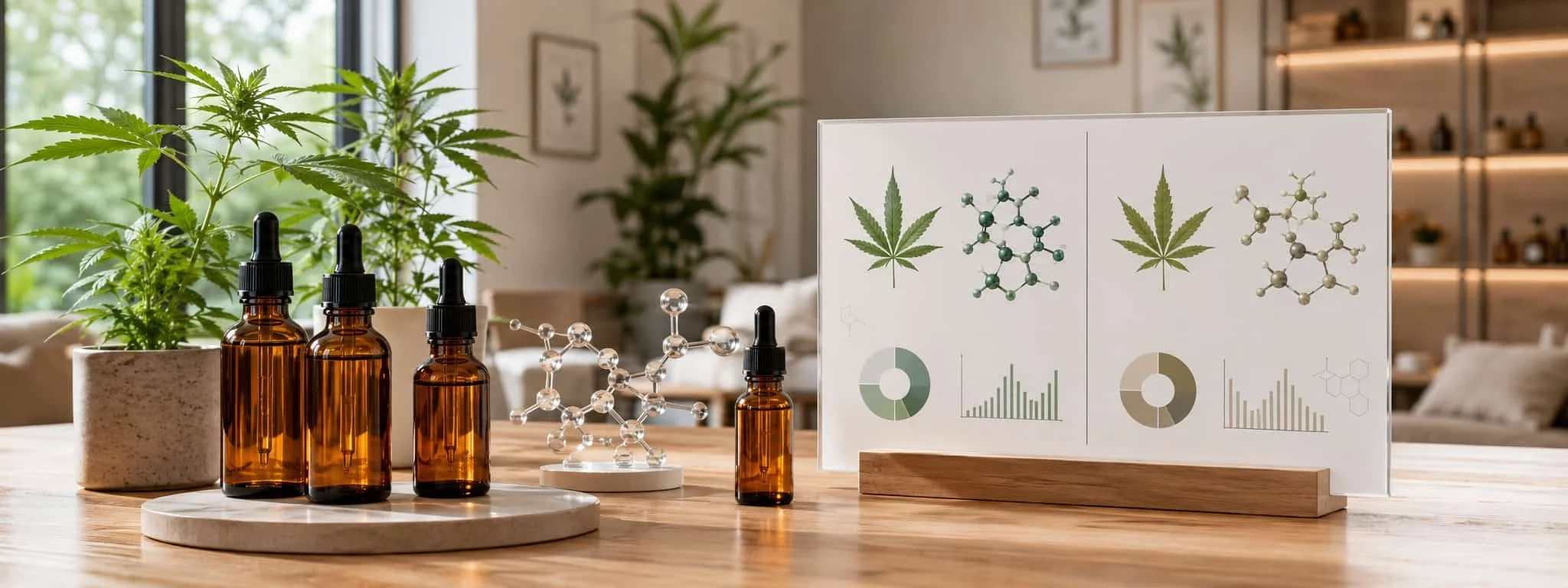
Cannabidiol (CBD) is one of the most widely studied cannabinoids found in cannabis and hemp. Unlike THC, CBD does not produce the intoxicating effects commonly associated with marijuana, which is one reason it has become popular in wellness products across the United States.
CBD interacts with the body's endocannabinoid system (ECS), a network of receptors involved in regulating mood, sleep, pain signaling, and inflammation. This is why CBD is widely discussed in the context of conditions like chronic pain, anxiety, sleep disorders, and inflammation - though research in many of these areas remains preliminary.
CBD vs THC: What's the Difference?
CBD and THC are the two most well-known cannabinoids found in cannabis, but they work differently and are used for different purposes.
While both CBD and THC come from cannabis, they interact with the body differently. CBD is typically associated with non-intoxicating products, while THC is responsible for the effects most people associate with marijuana.
Many people begin with CBD because they are interested in cannabis-related wellness products but do not want intoxicating effects. Others choose to explore Virginia's medical cannabis program because it provides access to a wider range of formulations and cannabinoid ratios.
For a deeper breakdown, see our guide on CBD vs THC: How Do They Differ?
What Does Research Say CBD May Help With?
Research is ongoing and results vary. Areas being studied include:
| Area | What's Being Studied |
|---|---|
| Pain | CBD's interaction with pain-signaling pathways, relevant to conditions like arthritis and neuropathy |
| Anxiety | Interaction with serotonin receptors |
| Sleep | Indirect effects via anxiety and pain reduction |
| Inflammation | Anti-inflammatory pathways relevant to IBD, arthritis |
| Seizures | CBD-based Epidiolex is FDA-approved for specific epilepsy syndromes - the only FDA-approved CBD medication |
CBD is not FDA-approved for general wellness claims. Individual responses vary significantly, and most research is preliminary or based on small studies.

Is CBD Legal in Virginia?
Yes. Under the federal 2018 Farm Bill and current Virginia law, hemp-derived CBD products containing less than 0.3% THC are legal to purchase and possess. No medical card or prescription is required.
However, many people don't realize that "CBD" in Virginia can refer to two very different categories of products.
Hemp CBD vs Medical Cannabis CBD
Hemp-derived CBD products are widely available at wellness stores, specialty retailers, and online. Because they contain less than 0.3% THC, they can be purchased without a medical cannabis certification. Product quality, cannabinoid content, and manufacturing standards can vary significantly between brands, which is why third-party lab testing is important.
Medical cannabis CBD products are available through Virginia's licensed medical cannabis dispensaries. These products may contain different CBD and THC ratios and are only available to certified medical cannabis patients.
Some patients who have explored hemp-derived CBD products choose to learn more about Virginia's medical cannabis program because it provides access to a broader range of regulated formulations. If you're interested in learning more about the certification process, see our Virginia medical marijuana card requirements guide.
Is CBD Safe?
CBD is generally considered well tolerated by many adults, but individual experiences can vary. Like any supplement or cannabis-derived product, CBD may not be appropriate for everyone.
Some users report side effects such as drowsiness, digestive discomfort, or changes in appetite. CBD may also interact with certain medications, which is why it is important to discuss any supplements or cannabis products with your healthcare provider.
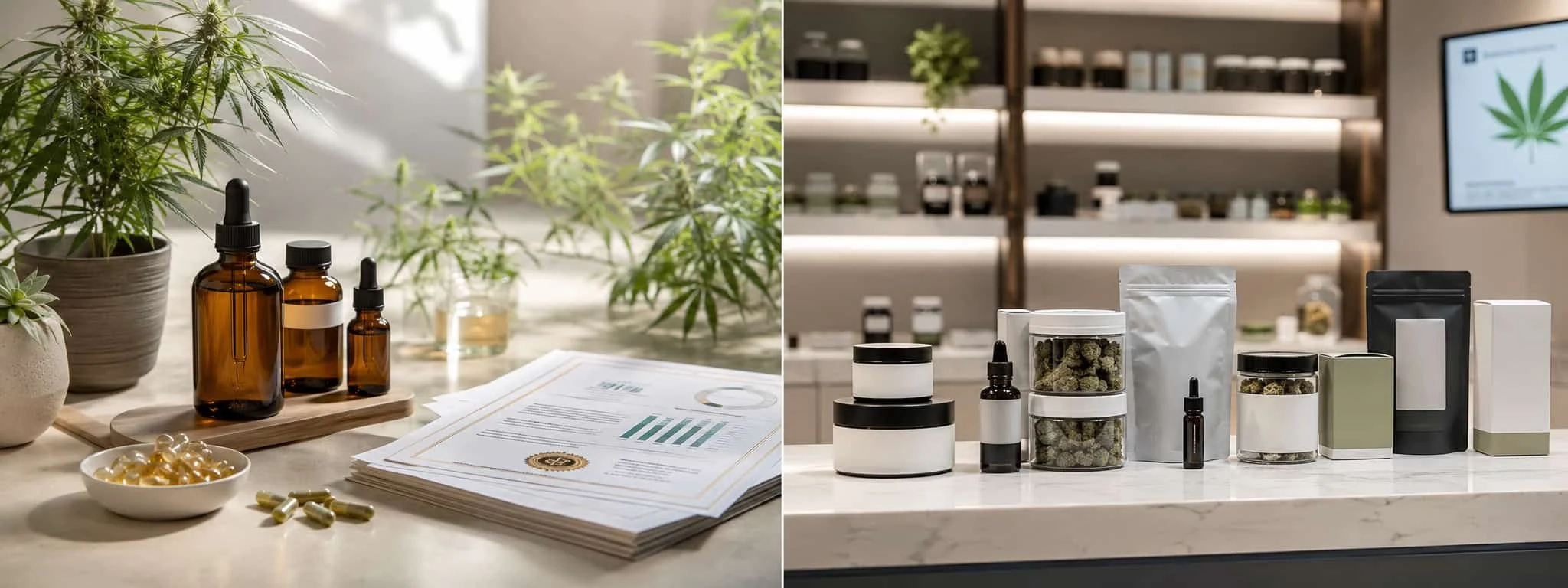
When shopping for CBD, quality matters. Products should include a recent Certificate of Analysis (COA) from an independent laboratory confirming cannabinoid content and testing for contaminants.
If you're comparing products, we recommend learning more about choosing safe lab-tested cannabis products before making a purchase.
Buying Hemp-Derived CBD in Virginia: What to Check
Since hemp CBD is unregulated in terms of quality, look for:
Third-party lab testing (Certificate of Analysis) - confirms actual CBD content and THC levels under 0.3%
No unverified health claims - legitimate brands don't promise to "cure" conditions
Clear sourcing - where the hemp was grown matters for quality and contaminant risk
Related: CBD vs. CBG
When Should You Consider Medical Cannabis Instead of Hemp CBD?
Hemp-derived CBD products are limited to less than 0.3% THC, which means the range of available formulations is more restricted than those available through Virginia's medical cannabis program. If you've tried hemp CBD products without the results you were hoping for, medical cannabis certification opens access to a broader range of products with different THC:CBD ratios.
Virginia's medical cannabis program does not use a fixed list of qualifying conditions - a licensed provider evaluates whether your condition would benefit from cannabis based on your individual situation. For a full breakdown of the process, costs, and requirements, see our step-by-step Virginia medical card guide
FAQs
-
CBD (cannabidiol) is a non-intoxicating compound found in the cannabis plant. It interacts with the body's endocannabinoid system and is widely studied for its potential effects on pain, anxiety, sleep, and inflammation.
-
Yes. Hemp-derived CBD oil with less than 0.3% THC is legal in Virginia for anyone to purchase, no medical card required, consistent with the federal 2018 Farm Bill.
-
Some CBD products may contain trace amounts of THC. Depending on the product, frequency of use, and type of drug test, positive results may be possible. Always review laboratory testing results before purchasing CBD products.
-
Hemp-derived CBD oil (under 0.3% THC) is legal for general purchase. Cannabis oil with higher THC content is only legally available to registered medical cannabis patients through licensed dispensaries.
-
No - for hemp-derived CBD products under 0.3% THC. Yes - for higher-potency CBD or THC:CBD products sold at licensed dispensaries.
-
No. CBD is one compound found in both hemp and cannabis. "Medical marijuana" in Virginia refers to the broader regulated program that includes products with higher CBD and/or THC concentrations, available only to certified patients.
-